Sustainable Activewear: A No-Greenwashing Guide to Workout Clothes That Last
Activewear has a sustainability paradox: the clothes we wear to feel healthy are overwhelmingly virgin plastic, produced fast, worn briefly and landfilled long — and the industry’s response has been less transformation than vocabulary: eco, conscious and green now decorate everything, meaningfully and meaninglessly alike. Cutting through requires a working knowledge of fabrics, certifications and greenwashing tells — plus one uncomfortable truth about what the most sustainable choice actually is. Here is the honest guide.

The Impact Briefing (Why Activewear Specifically)
The category’s footprint: performance fabrics are essentially plastic — nylon and polyester from fossil feedstocks, energy-intensive to produce, centuries to degrade — and activewear’s stretch requirement (spandex) makes recycling at end-of-life nearly impossible with current technology (blended fibers resist separation). Add fast-fashion production cycles arriving in athletic wear (the $12 legging exists because someone else paid its true costs) and washing-machine microplastic shedding, and the workout wardrobe earns its scrutiny. None of this argues for hair-shirt exercise — it argues for buying better, buying less and washing smarter. All three are learnable.
Fabric Literacy (Recycled, Natural and the Trade-Offs)
The materials menu, honestly: recycled polyester and nylon (from bottles and, at the premium tier, fishing nets and carpet — regenerated nylons) cut the fossil-input and energy footprint meaningfully versus virgin, with identical performance — the current best-available for serious training wear, caveat: recycled still sheds microplastics; natural performance fibers (organic cotton for low-sweat contexts, TENCEL and modal for their closed-loop processing and drape, merino for its odor-resistant magic in base layers) shine in studio and lifestyle pieces but cannot yet replace synthetics for high-sweat compression; and spandex remains the unsolved 15% — no scalable sustainable version exists, making longevity (more wears per garment) the actual spandex strategy. Perfect fabric does not exist. Better fabric demonstrably does.
Greenwashing Forensics (the Tells)
The audit skills: vague virtue words without numbers (eco-friendly, planet-conscious, green collection) are decoration — real claims carry percentages and specifics (85% recycled nylon is a claim; made with recycled materials could mean 2%); certifications with teeth include GOTS (organic textiles), OEKO-TEX (chemical safety), bluesign (production standards) and Fair Trade (labor) — logos worth learning versus brands’ self-invented leaf badges; the tiny-capsule tell (a five-piece conscious collection fronting a thousand-piece virgin-plastic catalog is marketing, not mission); and the transparency test — brands genuinely invested publish supplier lists, factory audits and impact reports, while greenwashers publish photoshoots in meadows. The meadow is not a certification.
The Microplastic Question (and the Washing Fixes)
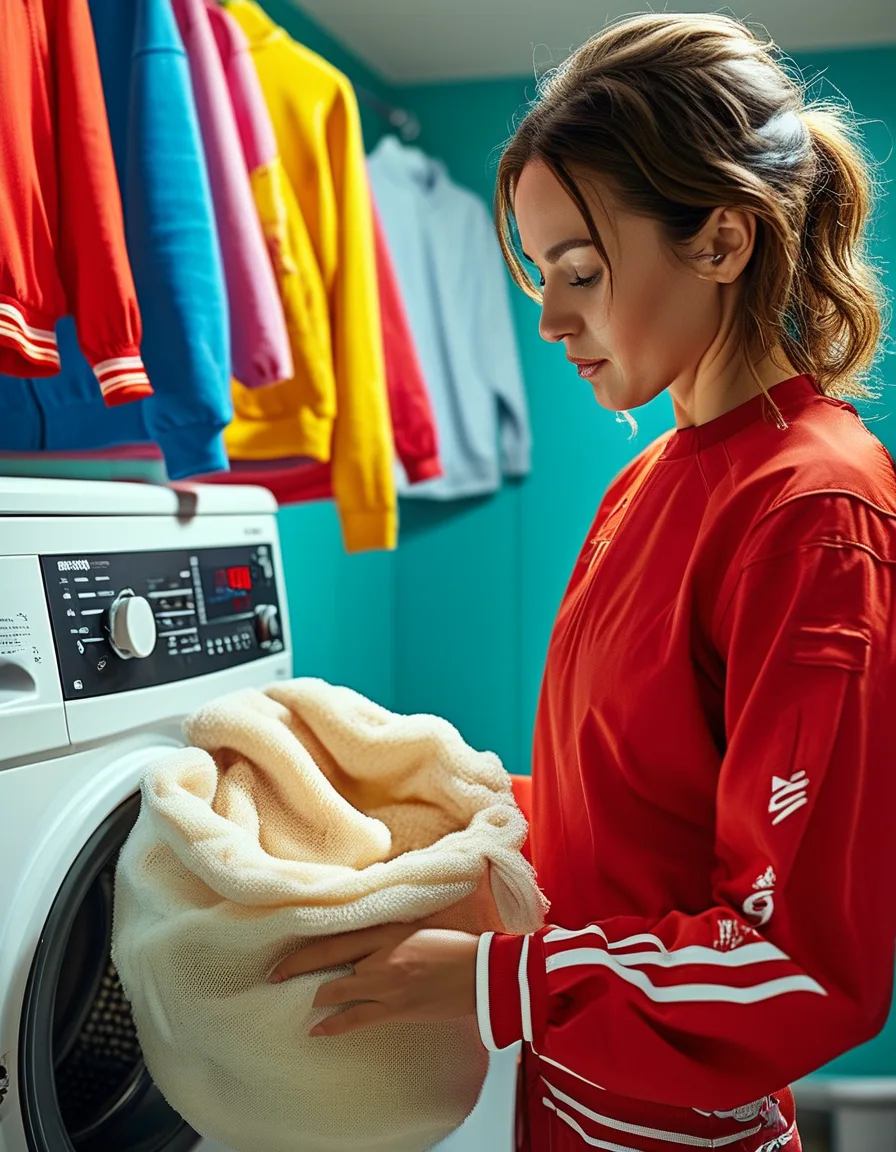
The emerging issue worth knowing: synthetic garments shed microplastic fibers every wash — activewear’s stretchy synthetics included — and those fibers now appear everywhere researchers look. Mitigation that actually works: wash less (the after-every-wear rule applies to sweat-soaked, not errand-worn), wash cold and gentle (heat and agitation multiply shedding), fill the machine (friction drops in full loads), use a microfiber-catching wash bag or machine filter (the proven hardware fixes — catching a large share of fibers), and air-dry (dryers shed and degrade simultaneously). The bonus arithmetic: every one of these habits also extends garment life — the microplastic protocol and the make-it-last protocol are the same list. Convenient, for once.
The Most Sustainable Move (Nobody Can Sell It to You)
The truth the eco-marketing cannot monetize: the greenest garment is the one already in your drawer, worn until it genuinely wears out — buying a recycled-nylon legging you did not need loses, environmentally, to not buying anything; the hierarchy runs use-what-you-own, then repair (a seam fix is ten minutes), then secondhand (activewear resale has real inventory of barely-worn premium pieces — the try-the-expensive-brand hack hiding in plain sight), then new-but-better: fewer, higher-quality, certified pieces bought to last years (the cost-per-wear math and the sustainability math agree completely), and at true end-of-life, textile recycling programs over the bin. Sustainable activewear, at its core, is not a product category. It is a purchasing tempo. Slow it, and every other choice improves automatically.
Sustainable activewear without the greenwash: recycled synthetics for sweat, naturals where they shine, certifications over meadow photography, the cold-wash-full-load-air-dry protocol against shedding — and above all, fewer better garments worn longer, because tempo beats material every time. The industry sells green. The practice is slower and cheaper: buy less, choose well, make it last. Your drawer and the ocean are, for once, on the same side.
See It in Motion
Seen here: High Waist Yoga Leggings with Side Pockets — shop it on bubblelime.com
Keep Reading
This article is for general informational and styling purposes only. Fit, sizing, and product availability may vary.