Your Leggings Shed: The Laundry-Bag Fix for Microplastic Guilt
Quick Answer: Synthetic activewear sheds microfibers every wash, and you can cut that a lot with cheap fixes: a microfiber catch-bag (about $20–30) or a machine filter, plus cold water, gentle cycle, full loads and air drying. Conveniently, that’s the exact same routine that makes your leggings last longer. The single biggest reduction, though, is owning fewer pairs and washing them less often.
Uncomfortable fact: every time you wash your favourite leggings, microscopic plastic fibers head downstream.
Comfortable fact: the fixes are cheap, easy, and almost entirely overlap with what already makes activewear last longer.
So this doesn’t have to be a guilt article. It’s a laundry article that happens to help.
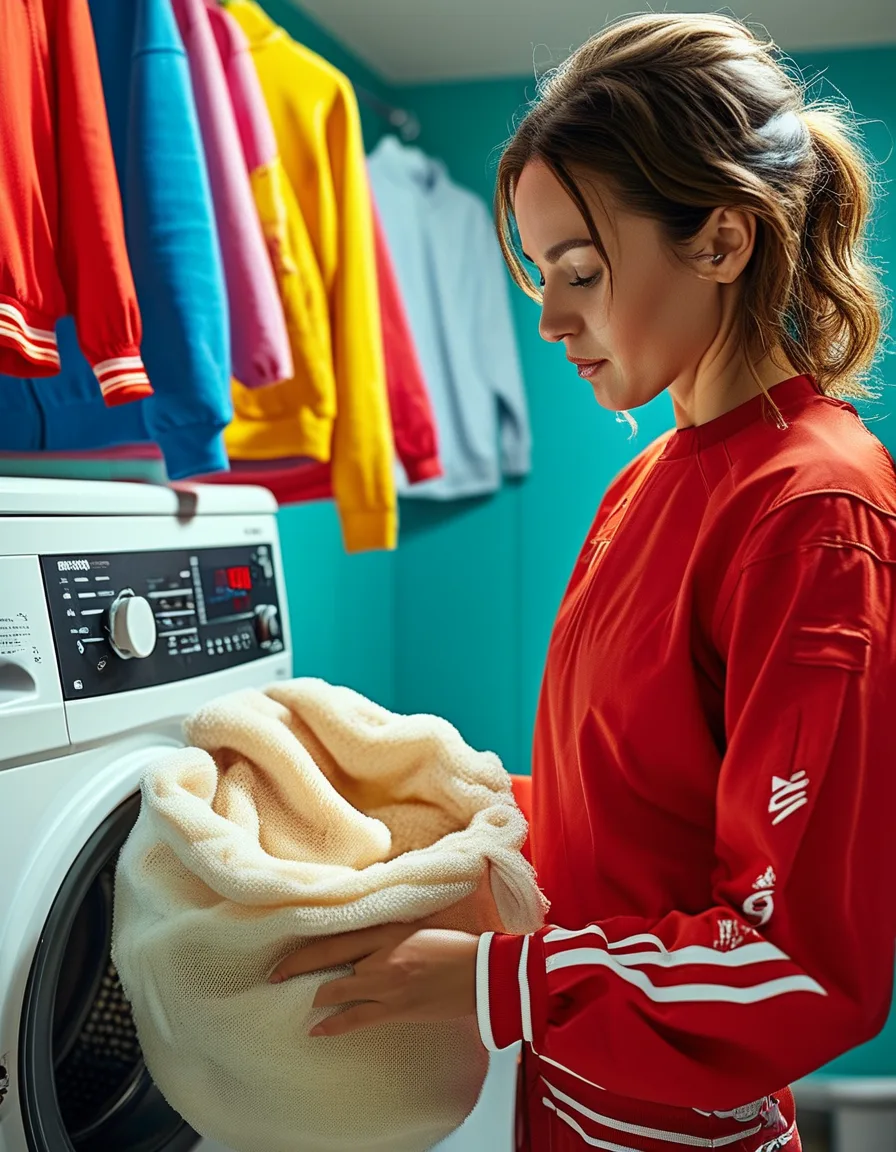

Why Does Activewear Shed So Much?
Because it’s synthetic, and synthetics shed under mechanical stress. Polyester, nylon and elastane blends — the entire activewear category — release fibers when agitated in water.
Shedding gets worse with:
- Heat. Hot water loosens fibers.
- Aggression. Long, high-agitation cycles physically abrade fabric.
- Half-empty loads. Counterintuitive, but less clothing means more room to tumble and more friction per garment.
- Age and wear. A pilled, worn-out garment sheds more than a new one — and fast-fashion fluff sheds more than tightly-knit quality fabric from the start.
- Tumble drying. The lint trap tells you the whole story.
You cannot shed-proof polyester. Anyone selling you that is selling you something. But habit changes cut the fiber count substantially, and that’s a genuinely worthwhile “better” even without a “perfect” available.
What Hardware Actually Helps?
Two options, and either is fine:
A microfiber catch-bag (roughly $20–30). Put your synthetics inside, wash normally, and the bag traps a large share of released fibers. Afterwards, wipe the collected lint out and bin it — that’s the step people forget, and it’s the step that makes it work.
Bonus: the bag doubles as garment protection. Your leggings snag less on zips and Velcro while shedding less. Two birds, one mesh.
A washing machine filter (roughly $100–150, fits on the discharge hose). More effective across every load, no remembering required, but it’s an install and it needs periodic cleaning. Worth it if you do a lot of synthetic laundry.
A laundry ball is the third commonly-sold option. Cheap, and it collects some fibers, but independent testing generally finds it less effective than the bag or the filter.

Which Laundry Habits Cut Shedding Most?
Here’s the pleasant part: it’s the same liturgy that extends activewear life.
- Wash cold — around 30°C / 86°F or lower. Less fiber release, and it protects the elastane that keeps your leggings from bagging out at the knees.
- Use a gentle or delicate cycle. Less agitation, less abrasion.
- Run full loads. Less room to tumble means less friction. Also less water and energy.
- Skip fabric softener. It coats fibers, degrades wicking performance, and does nothing helpful for synthetics.
- Air dry. The tumble dryer is a major shedding contributor and the fastest way to kill elastic recovery. Hang your leggings and they’ll keep their shape for years longer.
- Wash less often. Sweaty leggings genuinely need a wash. A light session’s worth of wear, hung to air out, often doesn’t.
The planet and your gear budget signed the same petition here, which doesn’t happen often enough.

What Nobody Tells You About Microfiber Shedding
The first few washes shed the most. New synthetic garments release a disproportionate share early on. Washing a new set of leggings in a catch-bag captures the worst of it.
Natural fibers shed too. Cotton and wool release fibers as well — they’re just biodegradable, which is the meaningful difference, not the shedding itself.
Your dryer lint is the same story. That grey fluff from a synthetic load is exactly what would otherwise have gone down the drain. Air drying moves the problem to “not happening” rather than “happening elsewhere.”
Front-loaders shed less than top-loaders with a central agitator, which is genuinely rough on fabric.
The most effective filter is the unbought seventh pair. Fewer, better garments, worn longer and washed less, out-greens every gadget on this list. Tightly-knit quality fabric sheds less, lasts longer, and doesn’t need replacing every eight months.
That last one isn’t a scold. It’s just where the actual leverage is.
Do wash bags really reduce microplastics?
Yes — testing consistently finds that dedicated microfiber catch-bags capture a meaningful share of released fibers. The catch is that you have to actually empty the collected lint into the bin afterwards, otherwise it rinses out on the next cycle.
Does washing in cold water reduce microfiber shedding?
It helps. Lower temperatures and gentler cycles both reduce fiber release, and full loads reduce it further by cutting friction between garments. Cold washing also preserves elastane, so your activewear keeps its shape longer.
Is it better to hand wash activewear?
Hand washing sheds less and is gentle on fabric, but it’s impractical for most people’s volume. A cold, gentle, full machine load in a catch-bag gets you most of the benefit with none of the sink time.
TL;DR:
- All synthetic activewear sheds — you can’t prevent it, but you can cut it substantially.
- Catch-bag ($20–30) or machine filter ($100–150); empty the trapped lint into the bin.
- Cold water, gentle cycle, full loads, no softener, air dry.
- New garments shed most in the first few washes — bag those.
- Skip the tumble dryer: it’s a big shedding source and it kills elastic recovery.
- Buy fewer, better, wash less. That’s the biggest lever by a wide margin.
See It in Motion
Seen here: Super High Waist Embossed Yoga Leggings with Inner Pocket — shop it on bubblelime.com
Keep Reading
This article is for general informational and styling purposes only. Fit, sizing, and product availability may vary.