Is Sustainable Activewear's Higher Price Actually Justified, or Just Better Marketing?
Quick Answer: Sustainable activewear’s price premium is sometimes genuinely justified by higher-cost recycled or certified materials and smaller-batch ethical manufacturing, but it’s also sometimes inflated by marketing positioning alone — checking for specific, verifiable certifications (not just the word ‘sustainable’ on a tag) is the only reliable way to tell which is which.
Sustainable activewear routinely costs 30-50% more than conventional equivalents, and it’s genuinely unclear from the outside whether that premium buys real material and labor differences or just a green-coded marketing angle. It depends entirely on the specific brand and product.

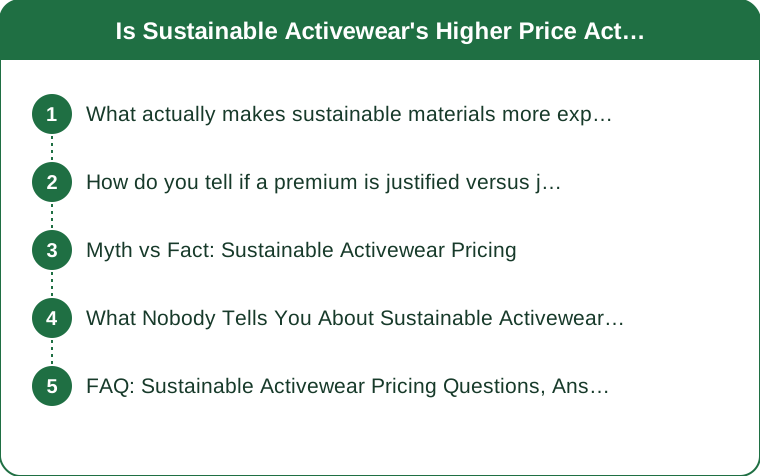
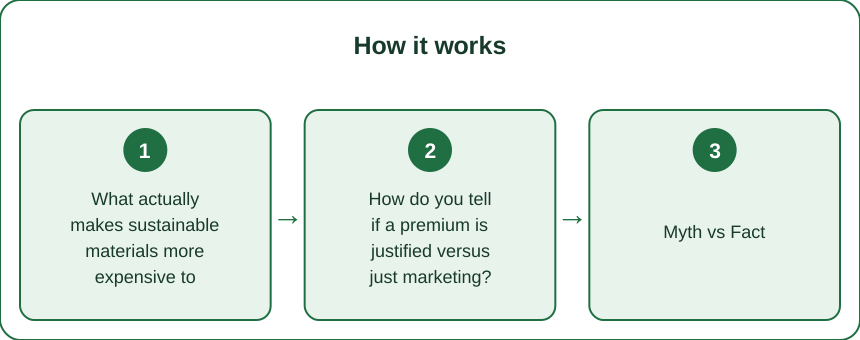
What actually makes sustainable materials more expensive to produce?
Recycled polyester and nylon (like recycled ocean plastic or post-consumer waste) genuinely cost more to source and process than virgin synthetic fibers, since collection, sorting, and reprocessing add real supply chain steps and cost that virgin material production doesn’t have.
Certified organic cotton similarly costs more due to lower yields and more expensive farming practices compared to conventional cotton — these are real, verifiable cost differences, not just markup.
How do you tell if a premium is justified versus just marketing?
Look for specific, named certifications (GRS - Global Recycled Standard, GOTS - Global Organic Textile Standard, OEKO-TEX) rather than vague claims like ‘eco-conscious’ or ‘planet-friendly’ with no verification attached — named certifications require third-party auditing, while vague language requires nothing.
Check whether the specific percentage of recycled or sustainable material is disclosed (like ‘78% recycled polyester’) — brands with genuine sustainable sourcing tend to be specific; brands leaning on marketing alone tend to stay vague.

Myth vs Fact: Sustainable Activewear Pricing
Myth: All ‘sustainable’ activewear costs more for legitimate material reasons. Fact: Some brands apply a premium price with minimal actual sustainable material content — vague labeling without certification is a common tell.
Myth: Recycled synthetic fabric performs worse than virgin synthetic. Fact: Well-made recycled polyester and nylon perform comparably to virgin versions in most performance metrics — this used to be more true with older recycling technology than it is now.
Myth: A higher price always means better ethical manufacturing conditions too. Fact: Sustainable materials and ethical labor practices are separate claims — a brand can use recycled fabric while still having unclear labor practices, so check for both claims separately if both matter to you.
What Nobody Tells You About Sustainable Activewear Value
The durability of genuinely well-made sustainable pieces can offset the higher upfront price over time, similar to the general ‘buy less, buy better’ cost-per-wear logic — though this depends entirely on actual construction quality, not the sustainability claim itself.
Also underrated: smaller sustainable brands often have genuinely higher per-unit costs due to lower production volume, which is a legitimate reason for premium pricing distinct from marketing markup — scale economics are real, not just a green narrative.
FAQ: Sustainable Activewear Pricing Questions, Answered
Is it worth paying more for sustainable activewear if I’m on a budget?
Prioritize based on what matters most to you — certified, verified sustainable pieces for higher-wear items (leggings) if budget is limited, rather than an entire wardrobe overhaul at once.
Do sustainable materials wear out faster than conventional ones?
Not inherently — quality construction matters more than the material’s sustainability status for durability specifically.
How can I verify a brand’s sustainability claims myself?
Look up the specific certification names on their official verification sites (like the GOTS or GRS databases) rather than trusting a brand’s own claims alone.
TL;DR:
- Recycled and certified organic materials do carry real, legitimate extra production costs
- Named third-party certifications (GRS, GOTS, OEKO-TEX) separate genuine claims from marketing language
- Sustainable materials and ethical labor practices are separate claims — verify both if both matter
- Small-batch production is a legitimate, separate reason for premium pricing beyond material cost
The premium can be genuinely justified — but only specific verification, not the word ‘sustainable,’ proves it.
See It in Motion
Seen here: Racerback Tank Top - White — shop similar styles on bubblelime.com
Keep Reading
This article is for general informational and styling purposes only. Fit, sizing, and product availability may vary.