Five Ways to Get Another Year Out of a Sports Bra
Quick Answer: Sports bras fail because elastane degrades - broken down by heat, chlorine, body oils, detergent residue, and being stretched while wet. The five habits that extend life are washing cool and rinsing sweat out promptly, never tumble drying, rotating between at least three bras, storing them unfolded and uncupped, and hand-washing the ones you care about. Together these can realistically add six to twelve months to a bra’s useful support.
Most people replace sports bras when the band has migrated to the tightest hook and support has quietly vanished. Getting there takes six to twelve months for most people, and nearly all of that timeline is determined by how the bra is treated between workouts rather than during them.
Step 1: Rinse it before the sweat dries
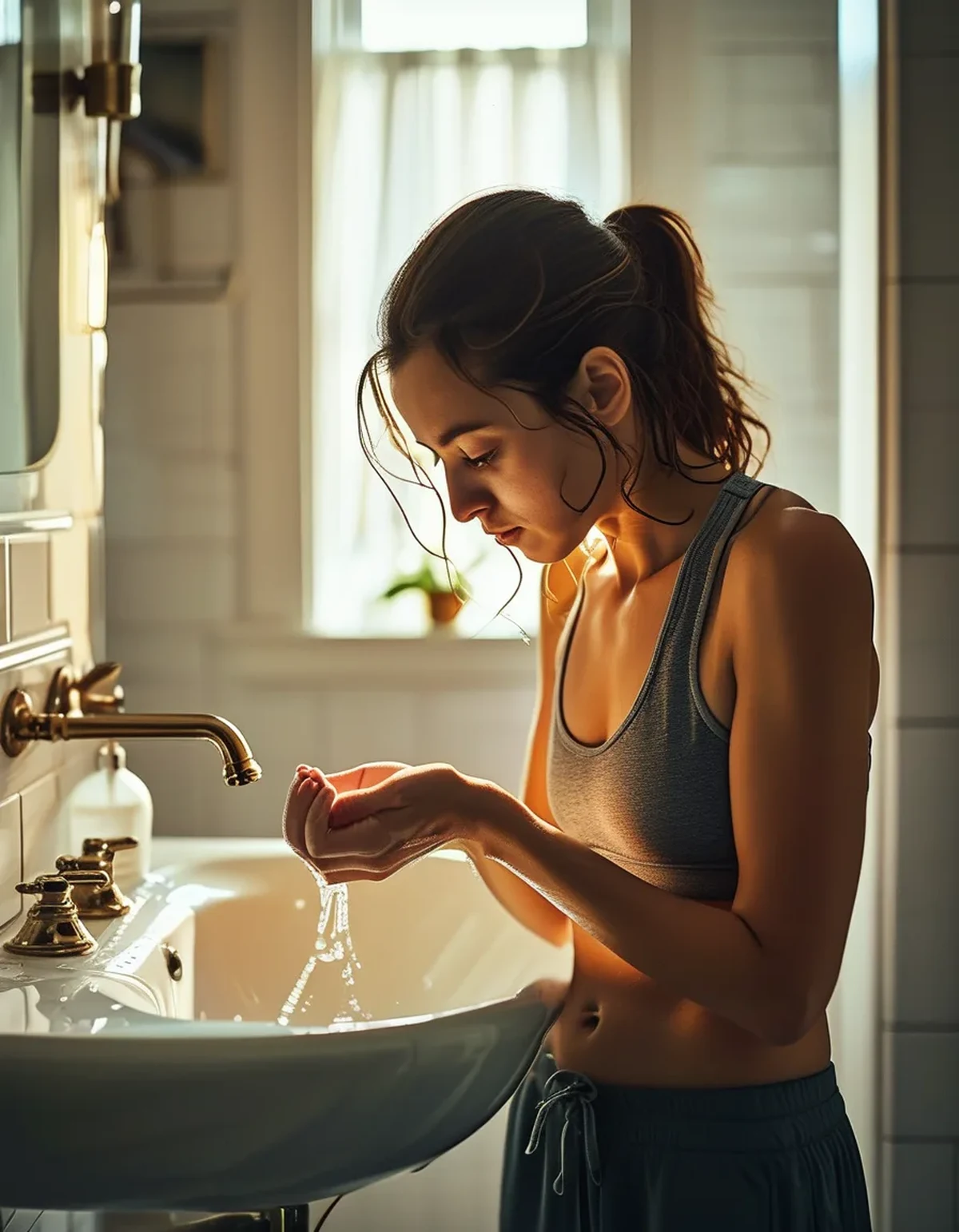
The single highest-impact habit, and it takes thirty seconds.
Why sweat is the problem. Sweat contains salt and body oils. Salt crystals are abrasive at a microscopic level and work against elastic fibres. Body oils break down elastane directly - this is well established, and it is why the underband of a bra loses elasticity faster than the rest of the garment even though it is not stretched more.
Time matters. A bra left balled up in a gym bag for two days is sitting in a warm, damp, salty, oily environment - the worst possible conditions for elastane. Rinsing it in cool water when you get home, even without detergent, removes most of the salt and a good portion of the oil.
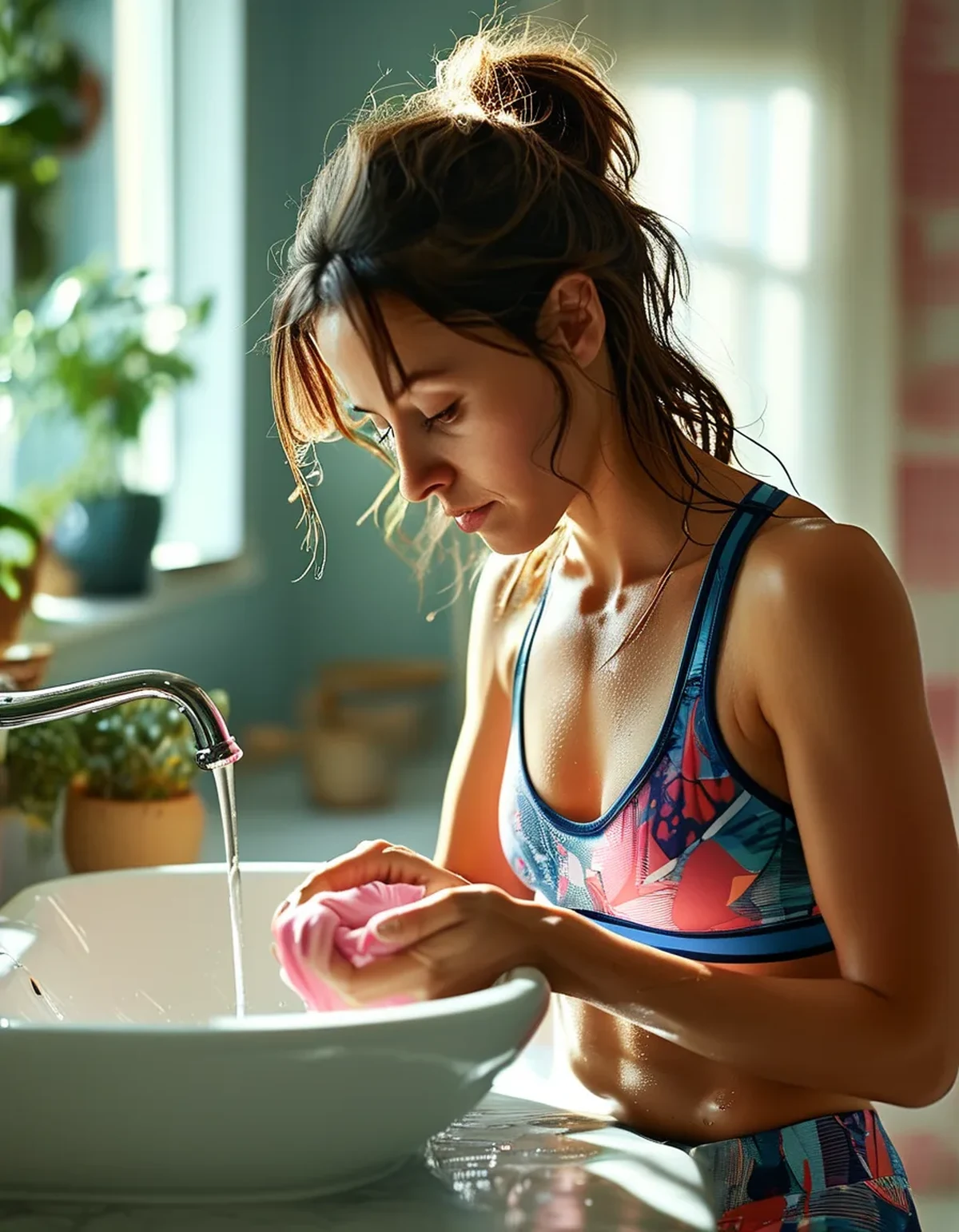
The thirty-second version: rinse under a cool tap, squeeze gently, hang up. That is it, and it can wait for a proper wash later in the week.
What not to do:
- Do not wring or twist. Twisting stretches elastic while it is wet and weak, which permanently deforms it. Press water out between your palms or against the side of the basin instead.
- Do not leave it damp in a bag. Beyond the elastane damage, it is how bacteria and persistent odour establish themselves.
- Do not use hot water. Heat is the primary enemy of elastane, and hot water at the rinse stage does damage before any washing has happened.
And the odour point matters practically: once a technical fabric develops persistent odour from bacterial growth in the fibres, it is very hard to remove, and many bras get discarded for smell rather than for failed support. Prompt rinsing prevents that pathway entirely.
Step 2: Wash cool, wash gently, and use less detergent
Most people are washing sports bras in a way that guarantees a short life.
Temperature. Cool water - 30 degrees or below, or cold. Heat degrades elastane fibres and is the most damaging routine variable. Cool washing also uses substantially less energy, which is a genuine side benefit.
Cycle. Delicate or gentle. Mechanical agitation stresses elastic and abrades fabric surfaces.
Detergent quantity - the part almost everyone gets wrong. More detergent is not better. Excess detergent does not fully rinse out of technical fabrics and leaves residue that traps oils and odour and stiffens elastic over time. Use roughly half what the bottle suggests for a load of technical wear. Residue build-up is a very common cause of technical fabrics that smell despite being washed, and the fix is counterintuitively less soap.
Never use fabric softener. It coats fibres with a film that destroys wicking performance and traps odour. This is the most damaging single product you can put near activewear.
Use a mesh laundry bag. It prevents hooks catching other garments and stops the bra being stretched and twisted around the drum. Cheap, and it also catches some microfibre shedding.
Do the hooks up before washing. An open hook is a small metal snag that will find another garment or the drum, and it will damage both.
And wash with like fabrics. Denim, towels, and anything with zips are abrasive against soft technical knits.
Step 3: Never tumble dry, and be careful how you hang it
The dryer is where sports bras die fastest, and hanging has its own pitfall.
Why heat is so damaging. Elastane loses elasticity when heated, and a tumble dryer combines high heat with mechanical tumbling for 40 minutes or more. A handful of dryer cycles can measurably reduce a bra’s support, and it is the most common reason a bra that seemed fine suddenly does not fit.
Air dry, always. Out of direct sunlight - UV degrades elastane too, and prolonged sun exposure fades colour and weakens fibres. A shaded, ventilated spot indoors or outdoors is ideal.
How you hang it matters. Do not hang a wet bra by its straps. Wet elastic is at its weakest and hanging by the straps puts the full weight of the wet garment through the two thinnest elastic components. Instead:
- Lay flat on a drying rack or a towel, reshaped to its proper form.
- Or drape over a rack from the band, which is the strongest part.
Reshape while damp. Cups, band, and straps set into whatever shape they dry in. Thirty seconds of gently pulling everything back into shape while damp preserves the fit.
Drying time. Technical fabrics dry fast, often within a few hours. If a bra is taking a full day, it is in a spot with poor airflow, and prolonged dampness encourages bacterial growth.
And keep it away from radiators in autumn - a radiator is a low-grade tumble dryer in this context, and it is where a lot of carefully hand-washed bras get quietly ruined once the heating comes on.
Step 4: Rotate at least three, and rest them between wears
The habit that extends life most and costs nothing but a change of pattern.
Elastic needs recovery time. Elastane fibres stretch under load and return to shape gradually rather than instantly. Wearing the same bra day after day means the fibres never fully recover between wears, and permanent deformation accumulates faster.
A 24 to 48 hour rest between wears allows fuller recovery. This is the same principle behind rotating shoes, and the effect is real.
Three is the practical minimum, more if you train most days. The maths works in your favour: three bras rotated properly commonly outlast four bras used until each dies, because each individual bra ages more slowly.
Match the bra to the activity. A high-impact running bra used for yoga is being worn out for no benefit. Keeping a lower-support bra for low-impact days extends the life of the high-support one, which is usually the more expensive garment.
And rotate by age, not by preference. Everyone has a favourite that gets worn twice as often, which means it fails at twice the rate. Deliberately using the whole rotation is the difference between three bras lasting eighteen months and one bra lasting six.
How to know when a bra is genuinely done: the band no longer holds firm on the tightest hook, the fabric no longer snaps back when stretched, the straps will not stay adjusted, or you notice more movement during the same activity. The band is the tell - it does around 80 percent of the support work, so a failed band means a failed bra regardless of how the fabric looks.
Step 5: Store it properly, and hand-wash the expensive ones
The two habits that separate people whose bras last a year from those whose last three.
Storage. Never fold a moulded cup inside out - it creases the foam permanently and it does not recover. Stack moulded bras nested inside each other, or lay them flat. Unlined and compression bras can be folded or rolled without harm.
Do not cram the drawer. Compressed foam takes a set. A drawer with room is a genuine factor in how long moulded cups keep their shape.
Hand-washing takes four minutes and is worth it for anything expensive or heavily relied on:
- Cool water in a basin, a small amount of gentle detergent.
- Submerge, agitate gently with your hands, leave ten minutes.
- Rinse thoroughly until the water runs clear - residue is the enemy.
- Press water out between palms or against a towel. Never wring.
- Reshape and lay flat to dry.
A monthly deep clean for odour. Soak in cool water with a cup of white vinegar for thirty minutes, then wash normally. Vinegar breaks down the detergent and oil residue that traps odour-causing bacteria, and it restores wicking performance in fabrics that have gone water-repellent from build-up.
And the honest limit: all of this extends useful life meaningfully, often by six to twelve months. It does not make a bra last forever. A bra that no longer supports is not doing its job, and continuing to wear it is not a saving - it is the point at which care has done everything it can and replacement is the correct answer.
FAQ: Sports Bra Care Questions, Answered
How often should you replace a sports bra?
Commonly every six to twelve months with regular use, but the real test is function - if the band no longer holds on the tightest hook, the fabric does not snap back, or you notice more movement during the same activity, it is done regardless of age.
Can you put sports bras in the dryer?
No. Heat is the primary cause of elastane degradation, and a tumble dryer combines high heat with mechanical tumbling. A few dryer cycles can measurably reduce support. Air dry away from direct sun and radiators.
How do you get the smell out of a sports bra?
Soak in cool water with white vinegar for thirty minutes then wash normally. Persistent odour usually comes from detergent and body-oil residue trapping bacteria in the fibres, which is why using less detergent and rinsing thoroughly prevents it recurring.
Does rotating sports bras really make them last longer?
Yes. Elastane recovers its shape gradually rather than instantly, so a 24 to 48 hour rest between wears reduces permanent deformation. Three bras rotated commonly outlast four worn one at a time until each fails.
TL;DR:
- Rinse out sweat promptly - salt and body oils are what break elastane down.
- Wash cool and gentle with half the detergent, no fabric softener, in a mesh bag.
- Never tumble dry, never hang wet by the straps, and reshape while damp.
- Rotate at least three and rest each for 24 to 48 hours between wears.
- Store moulded cups nested, never folded inside out, in a drawer with room.
Six to twelve months becomes eighteen to twenty-four with about two extra minutes a week. And when the band goes, it goes - at that point replacing it is the right call, not a failure of care.
See It in Motion
Seen here: Racerback Tank Top - White — shop similar styles on bubblelime.com
Keep Reading
This article is for general informational and styling purposes only. Fit, sizing, and product availability may vary.